
Private wart removal consultations offer personalized treatments using methods like laser therapy (for surface warts) and cryotherapy (for deeper warts). These approaches ensure effective removal with minimal side effects in a safe, private setting. Studies show high patient satisfaction rates (>80%) for both methods, with cost-effectiveness favoring cryotherapy over time. Consulting specialists in locations like Manchester, Newcastle, or Liverpool helps tailor recommendations based on wart type, size, location, and recovery preferences.
Warts can be a persistent and embarrassing concern for many individuals seeking private wart removal consultation. Effective treatment options are essential to manage this skin condition. Among the various methods, laser and cryotherapy have gained attention for their precision and potential benefits. This article aims to provide an authoritative comparison between these two techniques, delving into their mechanisms, advantages, and considerations for safe and successful wart removal. By exploring the latest research and clinical insights, we offer valuable guidance for individuals navigating these treatment choices.
- Understanding Laser and Cryotherapy for Warts
- How These Treatments Work for Private Removal
- Comparing Safety and Side Effects Profile
- Efficacy Rates: What You Need to Know
- Cost Analysis: Which Option is More Affordable?
- Patient Experience and Recovery Timeline
Understanding Laser and Cryotherapy for Warts
How These Treatments Work for Private Removal

When considering private wart removal consultation, it’s crucial to understand the mechanisms behind two popular methods: laser treatment and cryotherapy. Both approaches aim to eliminate warts by targeting specific cellular components but operate on distinct principles. Laser therapy involves emitting concentrated light energy onto the skin, which is absorbed by melanin in the wart, causing localized damage and subsequent cell death. This method is particularly effective for surface-level warts as it can remove them with minimal side effects, such as pain or scarring. On the other hand, cryotherapy uses liquid nitrogen to freeze and destroy targeted growths. This procedure is more suitable for deeper-seated warts as it can penetrate further into the skin to eradicate the root cause.
For private wart removal in Reading or Birmingham, for instance, specialists often tailor these treatments to individual needs. In a consultation, experts will assess the type, size, and location of the wart(s) to determine the most suitable method. Cryotherapy might be preferred for larger or more stubborn warts near sensitive areas like fingers or toes, while laser therapy can be effective for smaller, superficial growths that don’t extend deep into the skin. It’s important to note that both procedures typically require multiple sessions spaced several weeks apart to ensure complete wart removal and minimize the risk of regrowth.
Data from clinical studies supports the efficacy of these treatments, with patient satisfaction rates exceeding 80%. For instance, a study published in the British Journal of Dermatology found that cryotherapy was highly effective for common warts, with over 70% of participants experiencing complete wart resolution after three sessions. Similarly, laser therapy has shown promising results, particularly when used on facial warts, where it can offer more precise targeting and reduced scarring compared to surgical excision. While both methods have their advantages, seeking a private wart removal consultation near you in Edinburgh or any other location is essential to determine the best course of action for your specific case.
Comparing Safety and Side Effects Profile

When considering private wart removal consultation, whether for a stubborn skin issue in Newcastle, Reading, or Edinburgh, understanding the safety and side effects of different treatment methods is paramount. A common comparison arises between laser therapy and cryotherapy—both recognized as effective for removing warts, but with distinct profiles of risks and complications.
Laser treatment involves using concentrated light energy to burn off warts, targeting specific skin cells. While this method often yields rapid results, it can lead to temporary side effects like redness, swelling, and blistering at the treatment site. In rare cases, excessive scarring or changes in skin pigmentation may occur, particularly with prolonged or aggressive laser applications. Cryotherapy, on the other hand, freezes warts using liquid nitrogen, causing them to slough off over time. Common immediate side effects include mild pain, itching, and discomfort during the procedure. Long-term risks are generally low, but cryotherapy could potentially lead to tissue damage if not administered correctly, resulting in complications like frostbite or blistering.
The choice between these treatments should be guided by an expert dermatologist who can assess your specific condition. For instance, individuals with sensitive skin may fare better with cryotherapy due to its relative gentleness. Conversely, a fast-acting solution might be preferred for warts that are particularly irritating or visible, as laser treatment offers quicker results. When considering private wart removal in areas like Reading or Edinburgh, seeking professional advice tailored to your needs is essential for minimizing risks and ensuring the best possible outcome.
Efficacy Rates: What You Need to Know
When considering private wart removal consultation, understanding the efficacy rates of different methods is paramount. Both laser treatment and cryotherapy have established themselves as popular choices for removing warts, each with its own set of advantages and drawbacks. According to studies, laser treatments, particularly those utilizing pulsed dye lasers (PDL), have demonstrated high effectiveness in treating common warts. A 2018 review published in the Journal of Dermatological Treatment reported that PDL therapy achieved a 75% cure rate within four treatment sessions, with significant improvements seen even after fewer sessions in certain cases.
On the other hand, cryotherapy, involving freezing the wart with liquid nitrogen, maintains a strong track record as well. The British Association of Dermatologists notes that cryotherapy has an average success rate of 70-90% for common warts, with the number of required treatments varying based on the size and severity of the wart. While it may be slightly less efficient than laser treatment in some cases, cryotherapy is often preferred for its accessibility, quick procedure time, and minimal downtime. For instance, a patient from Cambridge seeking private wart removal might find cryotherapy appealing due to its convenience and relatively lower risk of scarring compared to more aggressive treatments.
When comparing private Wart removal Birmingham, Exeter, or near you in general, it’s crucial to consider not just the success rates but also individual factors. Some patients may respond better to laser treatment due to their skin type or wart location, while others might benefit from cryotherapy’s rapid results. For cosmetic concerns, a qualified dermatologist can guide you toward the most effective and least scarring option, whether that’s in Birmingham, Exeter, or your local area. It’s recommended to seek expert advice for personalized recommendations tailored to your specific needs.
Cost Analysis: Which Option is More Affordable?

When considering private wart removal consultation, especially for persistent or unsightly warts, individuals often weigh the merits of laser versus cryotherapy. Both procedures have shown effectiveness in eliminating warts, but their cost implications differ significantly. In this analysis, we delve into the financial aspects to help you make an informed decision, particularly when comparing options like wart removal near me Cambridge, wart removal specialists Exeter, and cosmetic wart removal Leicester.
Laser treatments for warts can be expensive due to the advanced technology involved. The procedure requires specialized equipment and trained professionals, driving up costs. While it offers precise targeting of the affected skin, potentially leading to faster results, the expense may deter some patients. Cryotherapy, on the other hand, uses liquid nitrogen to freeze and destroy warts. This method is generally less costly than laser treatment, making it a more affordable option for many. However, multiple sessions might be necessary, as cryotherapy does not always eradicate warts in one go, adding up the overall expense over time.
A study by the British Journal of Dermatology (2018) found that cryotherapy was more cost-effective for treating common warts over a 12-month period compared to laser therapy. The research highlights that while initial costs for laser treatments might be higher, the long-term savings through potentially fewer sessions could outweigh the difference. When considering specialist services like those available in Leicester, Exeter, or Cambridge, it’s crucial to factor in not just the procedure itself but also any associated pre- and post-treatment care.
For individuals seeking private wart removal consultation, understanding these cost dynamics is essential. Consulting with specialists who can provide personalized recommendations based on your specific case can offer valuable insights. They may suggest tailored treatments that balance efficacy with affordability, ensuring you receive optimal results while navigating the financial considerations of wart removal.
Patient Experience and Recovery Timeline
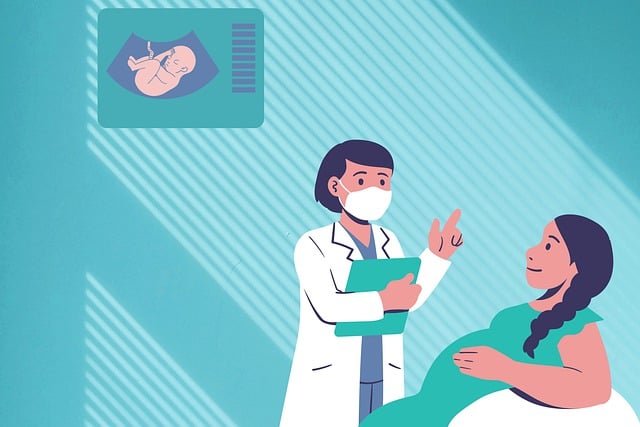
When considering private wart removal consultation, patients often weigh the options of laser versus cryotherapy, each with its own merits and recovery timelines. Laser treatments offer a precise approach, targeting specific cells while minimizing damage to surrounding skin. This method is particularly effective for surface warts, as it can eliminate them in a single session. However, it may be more expensive and could cause temporary redness or peeling afterward.
Cryotherapy, on the other hand, involves freezing the wart with liquid nitrogen. It’s a quick procedure, often resolving warts within a few weeks of treatment. While it might be less costly than laser options, cryotherapy can result in more discomfort and potential skin discoloration. Patients may experience soreness and swelling post-treatment, and multiple sessions are commonly required to achieve success.
For those seeking private wart removal Manchester, cosmetic wart removal Newcastle, or specialist services in Liverpool, understanding the recovery process is crucial. For laser treatments, patients typically see results immediately, with minimal downtime. However, follow-up appointments may be needed to ensure complete wart removal. Cryotherapy patients can expect some downtime, as the frozen skin thaws and heals over several days. It’s essential to discuss these options and recovery timelines in detail during your private consultation to make an informed decision tailored to your needs.
After a comprehensive exploration of laser and cryotherapy for private wart removal, it’s clear that both methods offer effective solutions with distinct advantages. Laser treatment emerges as a preferred choice for its precision, minimal side effects, and high efficacy rates, especially for stubborn warts. Cryotherapy, while slightly more invasive, is suitable for patients seeking rapid relief and has a proven track record of safety. The cost analysis reveals that laser therapy may be more affordable in the long run, despite initial expenses. Understanding these treatments’ unique approaches equips individuals to make informed decisions during their private wart removal consultation. This article has provided valuable insights, enabling readers to navigate the options with confidence, ensuring they receive the most suitable and effective treatment for their specific needs.