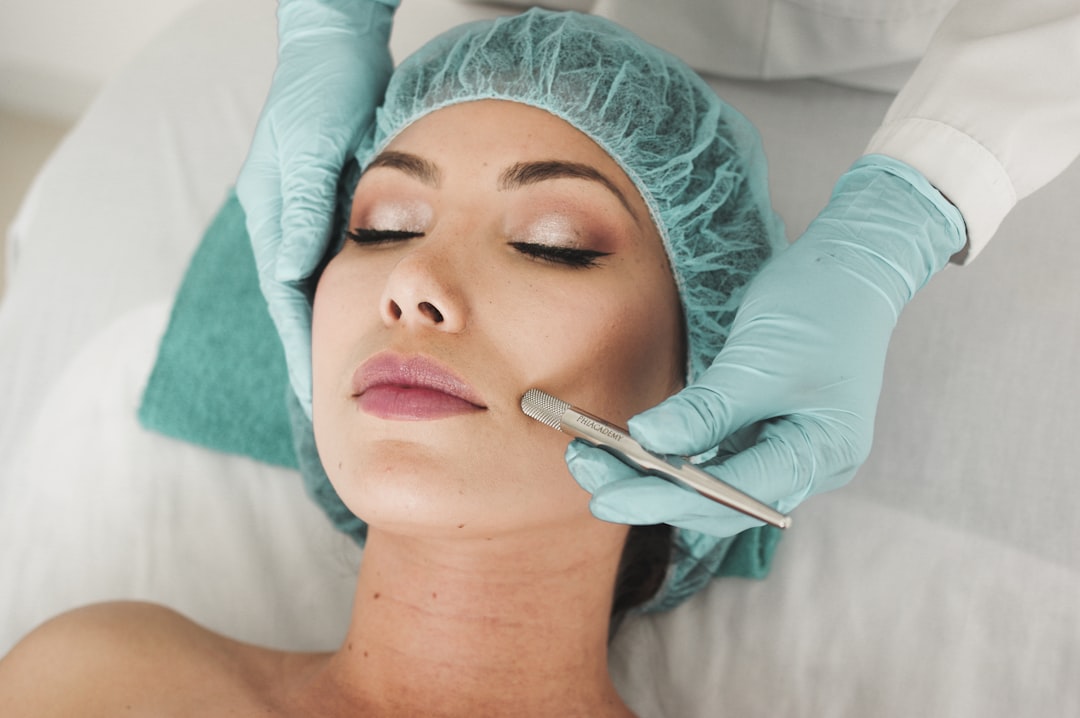
Private Wart Removal Consultation: Unlocking Effective Skin Care Solutions
Introduction
In the realm of dermatology and personal health, private wart removal consultation has emerged as a specialized service, offering tailored solutions for individuals seeking relief from skin concerns, particularly warts. This comprehensive consultation process delves into the unique needs of each patient, providing personalized treatments and expert guidance. In this article, we embark on an in-depth exploration of private wart removal consultation, unraveling its significance, global impact, and the transformative potential it holds for those seeking clear and healthy skin.
Understanding Private Wart Removal Consultation
Definition and Core Components
Private wart removal consultation is a specialized service provided by qualified dermatologists or medical professionals, offering individual assessments and treatment plans for warts and similar skin growths. It involves several key steps:
- Initial Assessment: The consultation begins with a thorough examination of the patient's medical history and a detailed inspection of the affected area(s). This includes discussing symptoms, duration, and any previous treatments.
- Diagnosis Confirmation: Using advanced diagnostic tools, such as dermoscopy or biopsy, the professional confirms the type and severity of the wart(s). This step ensures an accurate treatment approach.
- Personalized Treatment Plan: Based on the assessment, a customized treatment strategy is devised, considering factors like wart size, location, and the patient's tolerance for procedures. The plan may include topical medications, cryotherapy (freezing), surgical removal, or laser treatments.
- Patient Education: Educating patients about their condition, available treatments, and post-treatment care is a vital aspect. This empowers individuals to actively participate in their skin health management.
- Follow-up Care: Regular check-ins and follow-up sessions are scheduled to monitor progress, address concerns, and make adjustments to the treatment plan if needed.
Historical Context and Evolution
The concept of private wart removal consultation has evolved over centuries, reflecting advancements in medical science and increasing awareness of skin health. Historically, warts were often treated with harsh methods, including burning or cutting them off. However, modern dermatology has introduced more gentle and effective techniques, emphasizing the importance of personalized care.
In the 20th century, the development of topicals like salicylic acid and improved surgical techniques revolutionized wart removal. The private consultation model emerged as a response to the growing demand for specialized care, ensuring individuals receive tailored solutions rather than a one-size-fits-all approach.
Global Impact and Trends
International Reach and Diverseness
Private wart removal consultation has gained global recognition, with varying levels of adoption and regulation across countries. The international community's focus on skin health and well-being has contributed to its widespread availability. Here's a glimpse into regional trends:
- North America: Widely accessible, with advanced technologies like laser treatments gaining popularity. The United States leads in research, offering innovative solutions.
- Europe: Strict regulations ensure high standards of care. Countries like Germany and the UK have well-established private dermatology practices.
- Asia: Rapidly growing market with a focus on traditional and modern fusion therapies. Japan and South Korea are known for their skin-care innovations.
- Australia/New Zealand: Known for its emphasis on outdoor skin health, these regions offer comprehensive private consultation services.
Key Trends Shaping the Future
Several global trends are influencing the private wart removal consultation landscape:
- Minimally Invasive Treatments: There is a growing preference for gentle, non-invasive procedures, reflecting consumer demands for faster recovery and reduced discomfort.
- Personalized Medicine: The trend towards individualized healthcare extends to dermatology, with treatments tailored to genetic makeup and specific wart types.
- Telemedicine Integration: With technological advancements, remote consultations are becoming more common, making specialized care accessible to a broader audience.
- Preventive Measures: Increasing awareness about skin cancer and other skin conditions drives interest in preventive strategies, including early detection and education.
Economic Considerations
Market Dynamics and Investment
The private wart removal consultation market is a significant segment within the global dermatology industry, attracting substantial investments due to its high demand and diverse treatment options. Key economic aspects include:
- Market Size: The global skin care market, including wart removal services, is projected to reach USD 273.8 billion by 2027, indicating robust growth (Grand View Research).
- Revenue Streams: Private clinics generate revenue through consultations, treatments, and product sales. Advanced technologies and specialized procedures command higher fees.
- Investment Opportunities: Investors are drawn to this market due to its growing demand, driven by changing consumer preferences and increased awareness of skin health.
Cost Analysis and Insurance Coverage
The economic viability of private wart removal consultation is influenced by several factors:
| Treatment Type | Average Cost (USD) | Insurance Coverage |
|---|---|---|
| Topical Medications | $20 - $50 per month | Varies; typically not covered for over-the-counter medications |
| Cryotherapy | $100 - $300 per session | Some insurance plans cover, depending on policy |
| Surgical Removal | $500 - $2000+ | Coverage depends on procedure complexity and policy terms |
| Laser Treatments | $300 - $1500 per session | Often not covered, but some providers offer financial assistance |
Insurance coverage varies, and patients should check their policies for specific details. Many clinics offer payment plans to make these services more accessible.
Technological Advancements
Innovations in Wart Removal
Technological breakthroughs have significantly enhanced private wart removal consultation:
- Advanced Diagnostic Tools: High-resolution imaging techniques like dermoscopy enable precise identification of wart types, aiding in treatment planning.
- Laser Treatments: Laser technology offers targeted destruction of warts with minimal side effects. CO2 and Erbium YAG lasers are commonly used for their effectiveness.
- Genetic Analysis: Emerging research focuses on identifying genetic markers associated with wart susceptibility, paving the way for personalized treatments.
- Telemedicine Integration: Virtual consultations enable remote diagnosis and treatment planning, increasing accessibility, especially in underserved areas.
Future Potential and Research Directions
The future holds immense potential for technological advancements in private wart removal:
- Artificial Intelligence (AI): AI-powered diagnostic tools could revolutionize initial assessments, providing rapid and accurate results.
- Nanotechnology: Targeted drug delivery systems using nanoparticles may offer more efficient and less invasive treatment options.
- 3D Bioprinting: This emerging technology could enable the creation of customized skin models for personalized treatment testing.
- Genetic Engineering: Further exploration in this field might lead to gene therapies, offering long-lasting solutions for recurrent warts.
Policy and Regulation
Governance and Standardization
The private wart removal consultation sector is subject to various policies and regulations, ensuring patient safety and quality care:
- Licensing and Certification: Dermatologists and medical professionals must obtain licenses and certifications from relevant authorities, adhering to educational and training requirements.
- Regulatory Bodies: In many countries, dermatology practices are regulated by specialized agencies that set standards for treatment protocols and patient welfare.
- Informed Consent: Patients must provide informed consent before any procedure, ensuring they understand risks, benefits, and alternatives.
- Data Privacy: With the digital transformation of healthcare, data privacy regulations like GDPR (General Data Protection Regulation) are crucial to protect patient information.
International Collaboration and Standardization Challenges
Standardizing practices across borders presents unique challenges due to cultural and regulatory differences. International collaborations aim to bridge these gaps:
- World Health Organization (WHO): The WHO provides guidelines and resources, promoting global health standards, including skin care practices.
- International Dermatology Associations: Organizations like the International Society of Dermatology (ISD) foster collaboration, share best practices, and advocate for dermatological causes worldwide.
- Cross-Border Care: With increasing globalization, patients may seek treatments internationally, highlighting the need for standardized protocols to ensure safe and effective care.
Challenges and Criticisms
Overcoming Barriers to Access
One of the primary challenges is ensuring equal access to private wart removal consultation, especially in underserved communities:
- Cost Barriers: High treatment costs can deter individuals from seeking professional help, leading to potential complications or unsightly scars. Financial assistance programs and insurance coverage improvements are necessary.
- Geographical Disparities: Rural areas often lack specialized dermatology services, forcing patients to travel long distances or rely on less experienced healthcare providers.
- Stigma and Awareness: In some cultures, warts may be associated with stigma, leading to a reluctance to seek medical advice. Public education campaigns can play a vital role in reducing this barrier.
Addressing Criticisms and Enhancing Patient Experience
Criticisms regarding privacy, consent, and side effects prompt continuous improvement in private wart removal consultation:
- Patient Privacy: Strict data protection measures are essential to safeguard patient information. Transparent practices build trust and ensure patients feel secure during consultations.
- Informed Consent: Clarifying procedures, potential risks, and recovery processes empowers patients to make informed decisions.
- Side Effects Management: While most treatments are gentle, some may cause temporary discomfort or redness. Providers should offer post-treatment care guidance and address patient concerns promptly.
Case Studies: Success Stories in Private Wart Removal
Case Study 1: Advanced Laser Technology for Recurrent Warts
Patient Profile: A 35-year-old female with a history of chronic hand warts, despite previous treatments.
Consultation and Treatment: After a detailed consultation, the dermatologist recommended Erbium YAG laser therapy due to the patient's specific wart type and location. The treatment involved multiple sessions spaced a few weeks apart.
Outcome: Following the regimen, the warts significantly reduced in size and number, providing the patient with long-lasting relief. The advanced laser technology offered a minimally invasive approach, ensuring rapid healing with minimal side effects.
Case Study 2: Personalized Cryotherapy for Plantar Warts
Patient Profile: A 48-year-old male with stubborn plantar warts on both feet, impacting his daily activities and causing discomfort.
Consultation and Treatment: The dermatologist assessed the patient's condition and devised a personalized cryotherapy plan. This involved freezing the warts using liquid nitrogen in multiple sessions over two months.
Outcome: After the treatment, the patient reported a substantial improvement, with the warts becoming smaller and less painful. The personalized approach ensured targeted destruction, allowing for faster recovery compared to traditional methods.
Case Study 3: Telemedicine Revolutionizes Rural Care
Setting: A remote rural community with limited access to specialized dermatology services.
Initiative: A healthcare organization introduced a telemedicine platform, enabling remote consultations and treatment planning for skin conditions, including warts.
Impact: Patients in this region could now access expert advice from the comfort of their homes. The program successfully addressed common wart concerns, reducing the need for long-distance travel for face-to-face consultations. This case highlights the potential of telemedicine to bridge geographical gaps in healthcare access.
Future Prospects: Unlocking New Horizons
Emerging Trends and Growth Areas
The private wart removal consultation landscape is poised for further growth and innovation:
- Preventive Care: Increasing emphasis on preventive measures, including early detection and education, will shape the future of dermatology services.
- Personalized Medicine: Genetic testing and personalized treatment plans will become more prevalent, offering tailored solutions for specific wart types.
- Digital Tools: Mobile apps and digital platforms will continue to enhance patient engagement, providing educational resources and remote consultation options.
- Global Collaboration: International partnerships will drive the exchange of knowledge and best practices, leading to improved standards of care.
Strategic Considerations for Providers
To stay ahead in this evolving field, private clinics should:
- Embrace technology by implementing advanced diagnostic tools and considering AI integration for efficient initial assessments.
- Offer a range of treatment options, including new emerging technologies, to cater to diverse patient preferences.
- Focus on patient education, empowering individuals to actively manage their skin health.
- Collaborate with insurance providers to improve coverage for private consultations, making quality care more accessible.
- Foster global connections to stay informed about international trends and best practices.
Conclusion: Empowering Skin Health Management
Private wart removal consultation has emerged as a critical component of modern dermatology, providing individuals with effective and personalized solutions for skin concerns. As technology advances and global awareness grows, the demand for specialized care will continue to rise. This article has explored various facets of this dynamic field, from historical roots to future prospects, emphasizing its significance in empowering people to take control of their skin health.
By understanding the core components, global impact, economic considerations, technological advancements, and policy frameworks, readers gain valuable insights into private wart removal consultation. As we move forward, continued research, innovation, and collaboration will shape this field, ensuring individuals receive the best possible care for their skin concerns.
FAQ Section: Addressing Common Concerns
Q: How do I know if I need a private consultation for warts? A: If over-the-counter treatments haven't worked or your warts are causing discomfort, disfigurement, or pain, consulting a specialist is recommended. A private consultation ensures an accurate diagnosis and personalized treatment plan.
Q: Are there any risks associated with wart removal procedures? A: Minimal risks vary by procedure. Cryotherapy may cause temporary redness, while surgical removal carries a small risk of scarring. Laser treatments are generally safe, but potential side effects include skin irritation and blistering. Your dermatologist will discuss these in detail during the consultation.
Q: How often do I need to get warts checked? A: Regular check-ups are essential, especially for recurring or persistent warts. The frequency depends on your medical history and wart type. During a follow-up visit, your dermatologist can assess treatment effectiveness and address any concerns promptly.
Q: Can private consultations help with other skin conditions besides warts? A: Absolutely! Private dermatology clinics offer comprehensive services for various skin issues, including acne, eczema, psoriasis, and skin cancer screenings. The personalized approach ensures tailored care for each patient's unique needs.
Category: private wart removal consultation

Fast Wart Removal: At-Home Remedies & Professional Solutions
Read more →Fast Wart Removal: Home Remedies & Professional Consultations
Read more →
Fast Wart Removal: Home Remedies & Professional Consultation
Read more →
Fast Wart Removal: Inexpensive Options & When to Consult a Professional
Read more →
Natural Wart Removal: Private Consult for Stubborn Facial Warts
Facial wart removal requires specialized care due to skin sensitivity. Private wart removal consulta.......
Read more →

Permanent Private Wart Removal: Comprehensive Guide to Success
Warts caused by HPV affect all ages and come in various types. Misconceptions about removal lead to.......
Read more →

Post-Wart Removal: Skin Care and Recurrence Prevention Tips
Post-wart removal care is crucial for skin health and healing, varying by location, size, type, and.......
Read more →

Navigating Private Wart Removal Consultations for Rare Cases
Private wart removal consultation naturally offers specialized care for rare and unusual warts, leve.......
Read more →

Best Time & Options for Private Wart Removal Consultation
Warts vary by type, location, and causes including viral infections and immunosuppression. Persisten.......
Read more →
Maintain Healthy Skin After Wart Removal: Expert Tips
After wart removal, private consultations guide personalized healing care based on skin type and loc.......
Read more →

Private Wart Removal: Aftercare for Clear, Healthy Skin
Private wart removal consultations are crucial for optimal aftercare following professional wart sur.......
Read more →

Find Local Experts for Private Wart Removal Consultations
Identifying local experts for private wart removal consultation is crucial for healthy skin. Prefer.......
Read more →

Natural Remedies & Safe Removal for Kids' Warts: Consult Options
Children's warts vary by type, necessitating tailored treatments. Private wart removal consulta.......
Read more →

Best Over-the-Counter Wart Removal: Natural Approaches Explored
Warts, caused by HPV, can be managed with OTC products like salicylic acid (70% removal rate in 12 w.......
Read more →

Post-Wart Skin Care: Prevent Recurrence After Private Removal
Maintaining healthy skin after wart removal is crucial for long-term results. Key practices include:.......
Read more →
Expert Wart Removal: Home vs. Office Consultation for Fast Results
Private wart removal consultation offers tailored, effective treatments for common, plantar, flat, a.......
Read more →

Expert Insights: Private Wart Removal Consultation for Face
Warts on the face are primarily caused by HPV exposure and environmental factors like weakened immun.......
Read more →

Best Time to Seek Professional Help for Recurrent Warts
Private wart removal consultations offer specialized care for recurring warts, providing accurate di.......
Read more →

Natural Remedies for Face Warts: Private Removal Consultation
Private wart removal consultations offer a holistic approach to managing persistent face warts. Natu.......
Read more →

Master Post-Surgery Wart Care: Private Consultations for Effective Removal
Post-surgery care after professional wart removal is crucial for optimal healing and preventing recu.......
Read more →

Navigating Private Wart Removal: Consultations to Treatments Reviewed
Private wart removal consultation offers tailored, swift solutions with advanced diagnostics. Reputa.......
Read more →

Prevent Wart Recurrence: Expert Consultation for Long-Term Relief
Wart recurrence is common, emphasizing the need for proactive prevention through private wart remova.......
Read more →

Find Expert Wart Care: Private Removal Consultation Near You
Plantar warts require specialized care for effective, fast removal. Private wart removal consultatio.......
Read more →

Cost-Effective Wart Removal: Private Consultations for Customized Care
Private wart removal consultations offer tailored, comprehensive solutions for various HPV-related s.......
Read more →

Comparing Wart Removal: Medical vs At-Home Approaches & Private Consultations
Private wart removal consultations are crucial for effective, tailored treatment. While at-home reme.......
Read more →

Advanced Non-Surgical Wart Removal: Private Consultation Strategies
Non-surgical wart removal offers effective, less invasive options for face and hands. Techniques inc.......
Read more →

Expert Dermatologists: Personalized Wart Removal Consultations
Private wart removal consultation with top dermatologists offers tailored solutions for all ages and.......
Read more →

Permanent Wart Removal: Expert Guidance for Success
Warts, caused by HPV, range from common viral warts to flat, persistent types. Treatment options spa.......
Read more →

Prevent Wart Recurrence: Expert Care and Natural Solutions for Lasting Relief
Wart recurrence is driven by HPV reactivation. Key factors include immunosuppression, environmental.......
Read more →

Comparing Laser vs Cryotherapy for Private Wart Removal Consultation
Private wart removal consultations offer personalized treatments using methods like laser therapy (f.......
Read more →

Prevent Wart Recurrence: Expert Care and Natural Solutions
Wart recurrences common due to weakened immunity, poor hygiene, and environmental triggers. Preventa.......
Read more →

Expert Wart Removal: Top Clinics for Private Consultations
Private wart removal consultations offer tailored, effective solutions with advanced techniques. Opt.......
Read more →

Costly Solutions: Budgeting for Private Wart Removal
Private wart removal consultation is essential for accurate diagnosis, personalized recommendations,.......
Read more →

Fast Wart Removal: Explore Safe Options, Home Remedies & Professional Consultation
Private wart removal consultation naturally offers tailored strategies for effective, safe removal w.......
Read more →

Smooth Skin: Over-the-Counter Wart Removal & Expert Consultation
Wart treatment varies by type, size, and location, with OTC products as a starting point. Private wa.......
Read more →

Expert Private Wart Removal: Comprehensive Consultation for Reliable Results
Warts require tailored treatment based on type and severity. Private wart removal consultations offe.......
Read more →

Preparing for Your Private Wart Removal Consultation
A private wart removal consultation is crucial for effective and safe wart elimination, focusing on.......
Read more →

Smooth Skin After: Top Wart Removal & Private Consultation
Private wart removal consultation naturally guides effective treatment based on wart type, location,.......
Read more →

Expert Private Wart Consultation: Complex Cases Resolved
Complex warts demand specialized care from certified specialists. Private wart removal consultations.......
Read more →

Find Specialist for Private Wart Removal Consultation Near You
Private wart removal consultations offer specialized care for plantar warts, addressing size, type,.......
Read more →

Expert Wart Removal: Private Consultation for Effective Relief
Private wart removal consultation offers specialized services for various HPV-caused warts. Qualifie.......
Read more →

Top Private Doctors: Expert Wart Removal Consultation & Treatment
Complex wart cases require top private doctors specializing in accurate diagnosis and effective trea.......
Read more →

Permanently Remove Hand Warts: Top Creams & Expert Advice
Common hand warts, caused by HPV, offer diverse removal options. Natural remedies, including essenti.......
Read more →

When Self-Care Fails: Seeking Private Wart Removal Consultation
Persistent or unsightly recurrent warts require professional attention via private wart removal cons.......
Read more →

Personalized Wart Removal: Consultations for Effective Solutions
Wart types vary, requiring distinct treatments. Over-the-counter options for minor warts, but severe.......
Read more →

Unusual Warts: Find Expert Private Consultation & Specialized Treatment
Private wart removal consultations offer specialized care for rare and complex warts, with advanced.......
Read more →

Modern vs Traditional Wart Removal: Expert Private Consultation
Modern wart removal techniques, including laser therapy and advanced topical treatments, offer impro.......
Read more →

Unraveling Private Wart Removal Consultation Costs
Private wart removal consultation is key to understanding varying costs based on wart type, severity.......
Read more →

Top Doctors: Expert Wart Removal, Tailored Consultations
Complex wart cases require specialized care through private wart removal consultations. Top speciali.......
Read more →